
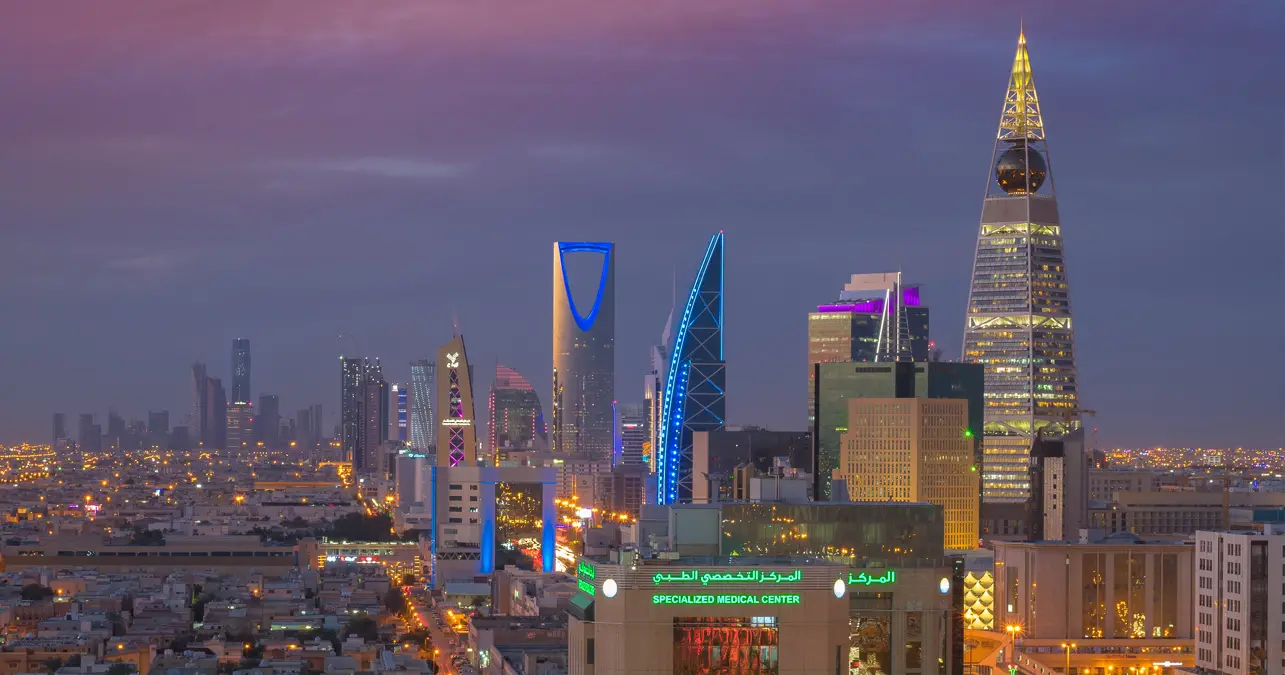
More Gulf residents are heading to Saudi Arabia and not just for Umrah. Weekend road trips from Bahrain, shopping getaways from Kuwait, and quick Riyadh flights from Dubai are all on the rise.
So, what’s behind it? Easier visa options, faster travel routes, and a growing list of destinations that go beyond religious tourism. In this article, we’ll break down the key reasons why GCC residents are choosing to visit Saudi Arabia: simpler access, shared culture, short-break appeal, and the new attractions drawing Gulf travellers in.
Recent Growth Trends
Gulf visitors now play a major role in Saudi Arabia’s tourism growth, and recent data shows a clear rise in intra-GCC travel.
- Bahrain leads among GCC source markets: In 2024, over 2.6 million visitors entered Saudi Arabia from Bahrain, more than from any other Gulf country.
- Gulf tourism to Saudi Arabia is accelerating: In 2023, 8.6 million visitors came from GCC countries.
- Breakdown by country (2023): Bahrain (3.4 million), Kuwait (2.3 million), UAE (1.4 million), Qatar (1.1 million), and Oman (455,000) were the top contributors.
- GCC travellers made up one-third of all international arrivals: Out of 27 million international visitors to Saudi Arabia in 2023, nearly a third came from nearby Gulf states.
- 2024 set a new benchmark: Saudi Arabia hit 30 million international arrivals, up 8% from 2023, with a large share coming from the GCC.
Easier Access and Logistics
The sharp rise in GCC travel to Saudi Arabia is closely tied to how much easier it’s become to enter and move around the country. One of the biggest changes has been the rollout of the Saudi visa for GCC residents.
Since 2022, all residents of GCC countries, regardless of nationality, can apply for a Saudi tourist e-visa online. The e-visa process is fast, fully digital, and costs around SAR 300. Applicants receive a multiple-entry visa by email, which even allows for Umrah outside of the Hajj season. For many expats who once faced embassy queues and long wait times, this upgrade has made spontaneous travel to Saudi Arabia far more accessible.
Getting to Saudi Arabia is also quicker and more affordable than it used to be. Flight connections across the Gulf have grown rapidly, with major airlines and budget carriers offering frequent routes into Saudi cities.
For example, Dubai to Riyadh or Doha to Jeddah now takes just a few hours, with multiple flights a day.
On the ground, cross-border road travel has improved too. The King Fahd Causeway connects Bahrain directly to Saudi Arabia by car, while a new desert highway has cut drive time between Oman and Saudi Arabia by about 16 hours.
Shared Culture, Geography & Short-Break Appeal
One of the key reasons behind the rise in Saudi Arabia tourism among GCC residents is the strong sense of cultural familiarity. Gulf countries share deep-rooted ties in language, religion, food, and customs. Arabic is widely spoken, and traditional values like hospitality and modesty are similar.
Religion also plays a major role, especially for Muslim travellers. As the birthplace of Islam, Saudi Arabia is home to Makkah and Madinah, two of the holiest cities in the Islamic world. Pilgrimage travel in the Gulf has increased as more residents take short trips for Umrah outside the Hajj season.
Geography further adds to Saudi Arabia’s short-break appeal:
- Most Gulf capitals are just 1–2 hours away by air, and time zones are the same.
- Families in Bahrain or Qatar often plan last-minute road trips into Saudi Arabia and take advantage of border connectivity.
- Popular options include weekend Umrah visits, historical tours (like Diriyah and Al-`Ula), and nature escapes.
The combination of shared identity and fresh experiences is driving more Gulf travellers to choose Saudi Arabia over far-flung destinations. It offers something new without the need to adapt to unfamiliar language, customs, or long travel.
New & Upgraded Tourist Attractions

Saudi Arabia is investing heavily in tourism through Vision 2030, and the results are now visible across the Kingdom. For travellers from the Gulf, the country is offering a wider mix of destinations, balancing heritage, entertainment, and luxury.
The following attractions are especially drawing interest from GCC travellers:
- Al-Ula and Hegra (UNESCO World Heritage Site)
Al-Ula has been transformed into a major cultural destination. Visitors can explore ancient Nabataean tombs, rock formations like Elephant Rock, and attend festivals like Winter at Tantora. Over 286,000 visitors came in 2024 alone, many from Gulf countries, supported by direct flights and a major regional marketing push.
- Diriyah (near Riyadh)
The historic birthplace of the Saudi state has been redeveloped into a large-scale heritage and leisure district. Restored palaces and mudbrick buildings are paired with fine dining and family attractions.
- Riyadh Season (entertainment festival)
This multi-month event has become a magnet for Gulf residents. In 2024, visitor numbers jumped significantly: +83% from Kuwait, +43% from Qatar, and +29% from the UAE. Events such as concerts, sports, and family activities make it one of the most dynamic attractions in the region.
- Jeddah’s Red Sea Film Festival and Formula 1 Grand Prix
These events are helping position Jeddah as an international entertainment and sports hub, and they’re gaining traction among Gulf audiences.
- Red Sea Project and Luxury Coastal Resorts
Dozens of pristine islands and beaches along the Red Sea are being opened for tourism. Resorts like those on Shura and Sheybarah Islands now offer high-end stays with coral reef diving and overwater villas.
- Sindalah Island (NEOM)
NEOM’s first tourism site, Sindalah, opened in late 2024. It targets the luxury travel segment with yachting, golf, and fine dining. GCC leisure travellers looking for something exclusive are already exploring this destination.
- Asir Region and Mountain Tourism
Asir’s green mountains and cool climate are attracting adventure seekers. Activities like hiking and camping offer a contrast to urban Gulf life.
- Qiddiya (near Riyadh)
Still under development, Qiddiya will feature theme parks, motorsports, and sports stadiums. It’s set to become a major draw once opened, especially for families from the Gulf.
With new destinations opening each season and direct access from across the Gulf, Saudi Arabia tourism is entering a new phase—welcoming regional visitors not just for pilgrimage, but for leisure, culture, and luxury.
Affordability & Value Compared to Alternatives Destinations
For many Gulf residents, Saudi Arabia offers better value than long-haul trips to Europe or Asia.
One major reason is the cost. Travel within the Gulf is cheaper due to shorter distances and lower airfare. A one-hour flight from Dubai to Riyadh or a drive from Bahrain to Dammam often costs far less than flying to London or the Maldives.
Budget airlines now operate frequent routes between Saudi cities and neighboring Gulf states. Many offer promotional fares, which make quick trips more accessible to middle-income families.
Currency strength adds to the value. The Saudi riyal, UAE dirham, and Qatari riyal are all pegged to the U.S. dollar. Others, like the Kuwaiti and Bahraini dinar, are even stronger. This gives Gulf visitors more purchasing power when spending in Saudi Arabia. Despite a 15% VAT, costs for fuel, transport, and many services remain lower than in high-priced cities like Dubai or Doha.
Saudi Arabia’s tourism sector has responded by offering more affordable travel options. Tour operators now market special packages to GCC residents. These include weekend hotel deals, family bundles, and Umrah trips with extra sightseeing. During cooler winter months, discounted offers target Gulf tourists looking for quick escapes.
The ability to take several small trips instead of one large vacation also appeals to many. Gulf residents increasingly prefer frequent getaways over single expensive holidays. Saudi Arabia fits that pattern well. It is nearby, less costly, and offers a mix of religious, cultural, and leisure experiences.
Social & Lifestyle Trends Among GCC Travellers
GCC travel habits are shifting fast, especially among younger generations, and Saudi tourism 2025 is emerging as a destination that matches those evolving preferences.
Across the region, tourists are no longer driven mainly by shopping or resort stays. A study found that cultural experiences now rank higher than sun-seeking or retail tourism. In that research, 24.5% of travellers to Saudi Arabia said culture was their top reason for visiting.
This growing interest in cultural and spiritual exploration aligns with what Saudi Arabia offers. Visitors can explore historic towns, attend religious events, or take part in guided nature experiences.
Lifestyle trends are adding to this momentum. Many Gulf professionals are blending business and leisure in the same trip. Saudi Arabia’s rise as a conference and events hub is supporting this “bleisure” trend, as travellers extend their stays to visit local landmarks or nearby natural sites.
At the same time, wellness travel is gaining popularity, with demand growing for spa resorts and nature-based retreats that support both mental and physical well-being.
What Comes Next
The trend of GCC residents visiting Saudi Arabia is expected to gain even more momentum in the years ahead.
1. GCC Unified Visa
One of the biggest upcoming changes is the launch of the Unified GCC Grand Tours visa, a single-entry system approved by all six Gulf states.
Targeted for rollout by early 2026, this visa will allow non-GCC nationals living in the region to visit multiple Gulf countries without needing separate visas for each.
This setup will encourage multi-country trips and position Saudi Arabia as a natural part of regional itineraries—paired with events in Bahrain or nature getaways in Muscat.
2. Improved Connectivity Across the Gulf
Transport infrastructure is evolving alongside these tourism efforts. The long-discussed GCC railway project is moving forward, which could eventually connect Saudi Arabia by train to the UAE, Oman, and other neighbors.
If completed, this would allow fast, comfortable train travel from cities like Doha or Abu Dhabi to Riyadh or Dammam. Saudi Arabia is also expanding airport capacity and has announced a new carrier, Riyadh Air, to support rising air travel demand.
Internally, new highways and regional airports are making it easier for visitors to explore multiple Saudi destinations in one trip.
3. Merging Religious and Leisure Tourism
At the same time, Saudi Arabia is blurring the line between religious and general tourism. A recent policy change now allows Muslims holding any type of visa, including visit or business visas, to perform Umrah. For many GCC residents, this creates the opportunity to add a spiritual component to an existing trip or extend a pilgrimage with sightseeing.
Platforms like Nusuk, which support online booking for both Umrah and tourism, are making travel planning easier, especially for younger travellers who prefer mobile-first experiences.
4. Saudi Arabia’s Vision 2030 Tourism Goals
Saudi Arabia’s broader tourism goals reflect these shifts. The government aims to welcome 150 million annual visitors by 2030, combining both domestic and international segments.
Tourism already accounts for 5% of the national economy, up from 3% in 2019, with a target of reaching 10% by the end of the decade. Reaching these goals will require sustained interest from regional travellers, especially residents of the Gulf.
In short, the next phase of tourism in the Gulf will likely be shaped by regional cooperation, with Saudi Arabia as a central player in the shared story of travel, culture, and discovery.
Featured image: Wikimedia Commons License
You May Also Like
- UAE Visit Visa for Qatar Residents: What You Must Know
- The Yas Island Explorer’s Guide: Top 5 Award-Winning Attractions
- Dubai Visa For Qatar Residents: Step-By-Step Guide
- Driving In UAE With Qatar License: Things To Know
- Non-obvious Ideas About Dubai Real Estate
Copyright © DohaGuides.com – Unauthorised reproduction of this article in any language is prohibited. The information provided on this website is intended for general guidance and informational purposes only. It should not be considered a substitute for professional advice, and travellers are encouraged to verify visa requirements and travel advisories through official government sources before making any travel arrangements.